
Documentary wedding photography explained – what makes it special
The term “documentary wedding photography” comes up more and more often – but what does it really mean?
Many couples want natural pictures, real emotions and memories that still feel honest years later. This is exactly where documentary wedding photography comes in.
In this article I explain what documentary wedding photography is, how it differs from classic approaches – and who it suits particularly well.
What does documentary wedding photography mean?
Documentary wedding photography means:
observing instead of staging
accompanying instead of intervening
telling instead of arranging
I intervene in the course of the day as little as possible and capture what really happens – with all its emotions, small gestures and quiet moments.
It’s not about perfect poses, but about real memories.

The difference from classic wedding photography
Classic wedding photography is often characterised by:
lots of directions
planned poses
clear picture ideas in advance
Documentary photography works differently:
situations develop freely
emotions arise spontaneously
pictures tell a story
Both styles have their merits – what matters is what suits you better.
Why couples consciously choose a documentary style
Many couples tell me:
“We want to experience our day – not interrupt it for photos.”
Documentary wedding photography is particularly suitable for couples who:
value naturalness
don’t want to pretend in front of the camera
find emotional depth more important than perfection
value real moments more than classic couple poses
How I work in a documentary way
My way of working is calm, attentive and discreet.
Specifically, that means:
no constant stage directions
no intervening in emotional situations
lots of observation and anticipation
closeness without being intrusive
I move unobtrusively through your day and let it happen.
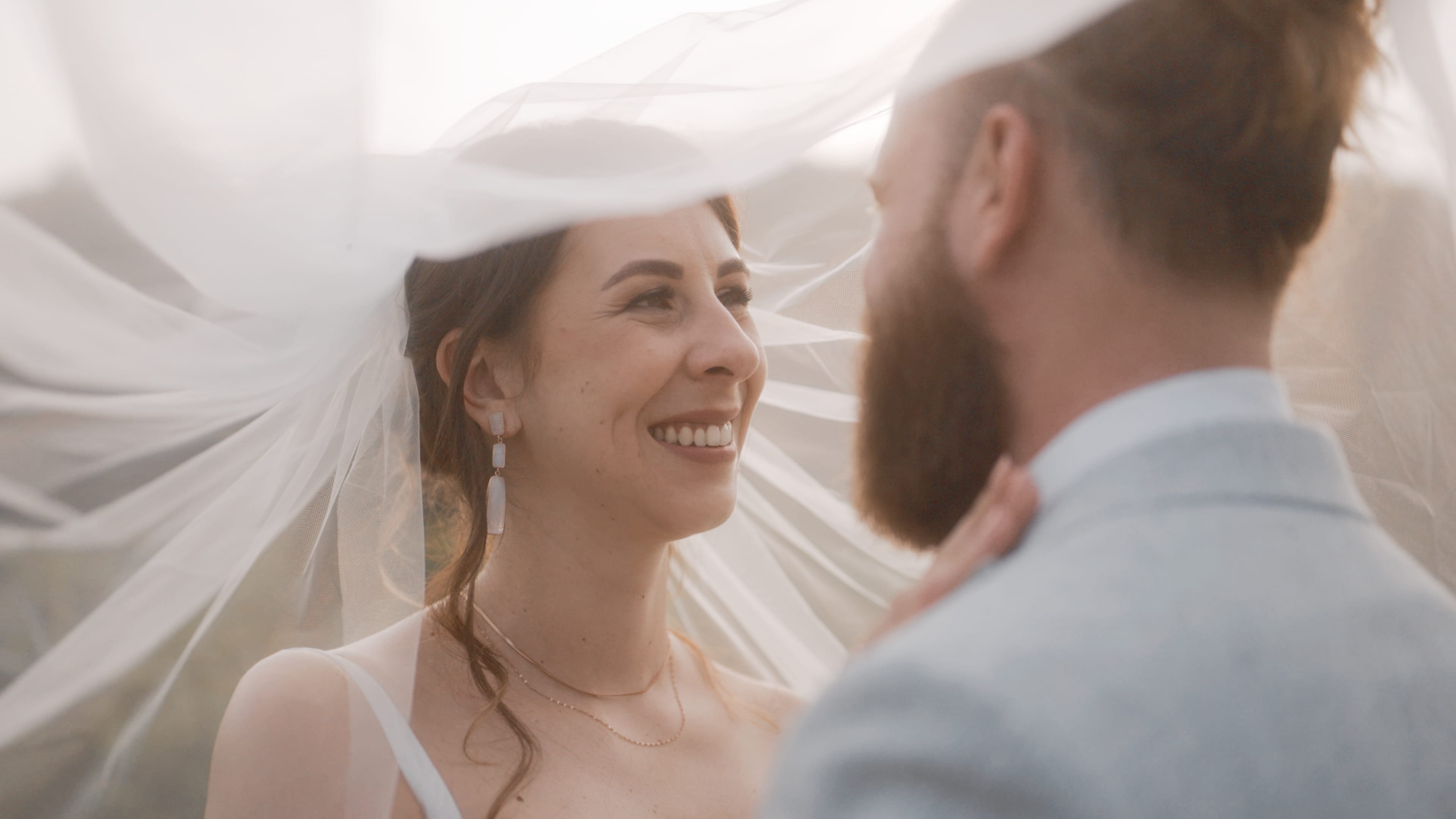
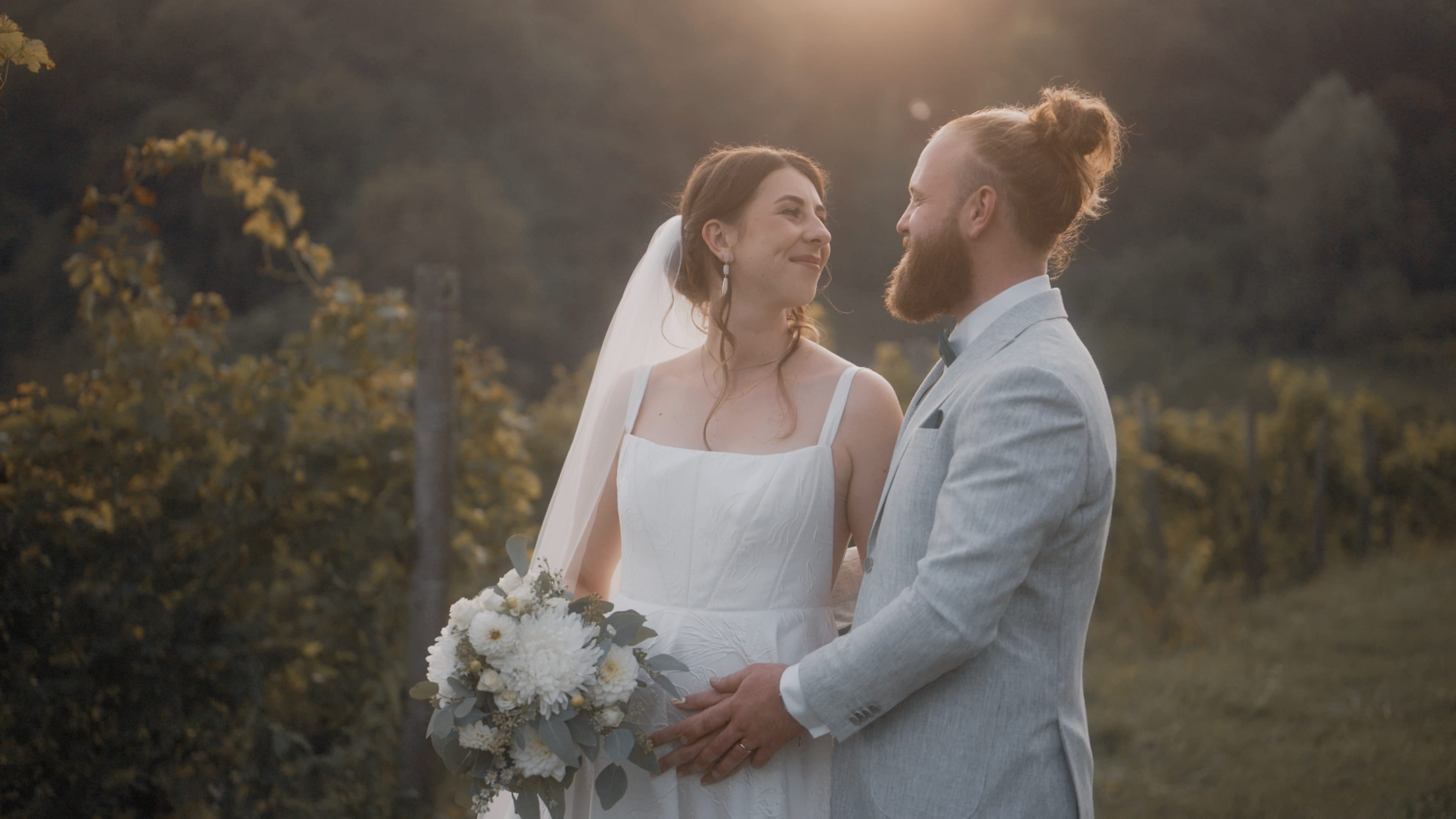
Are there any couple portraits at all?
Yes – but different ones.
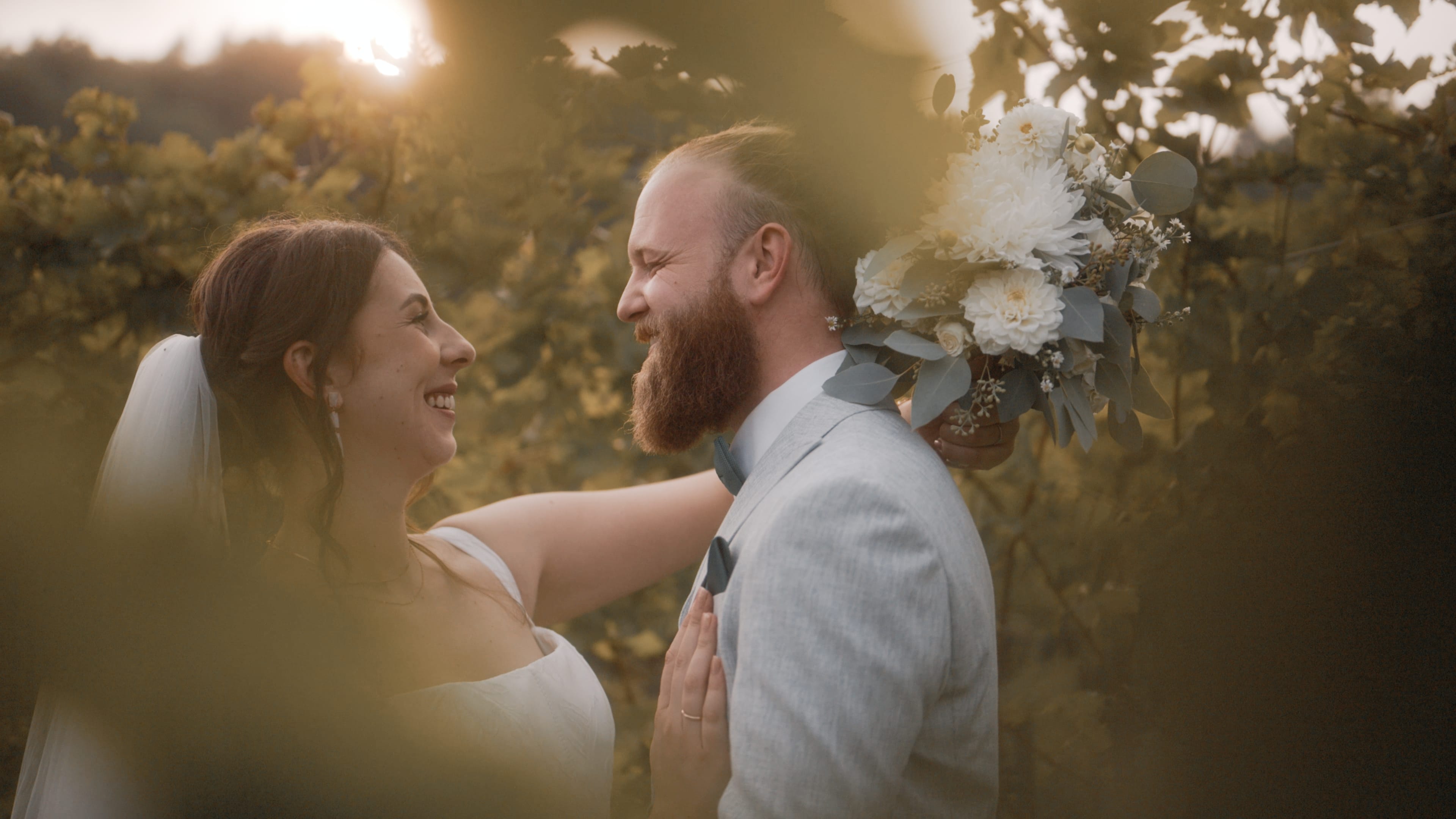
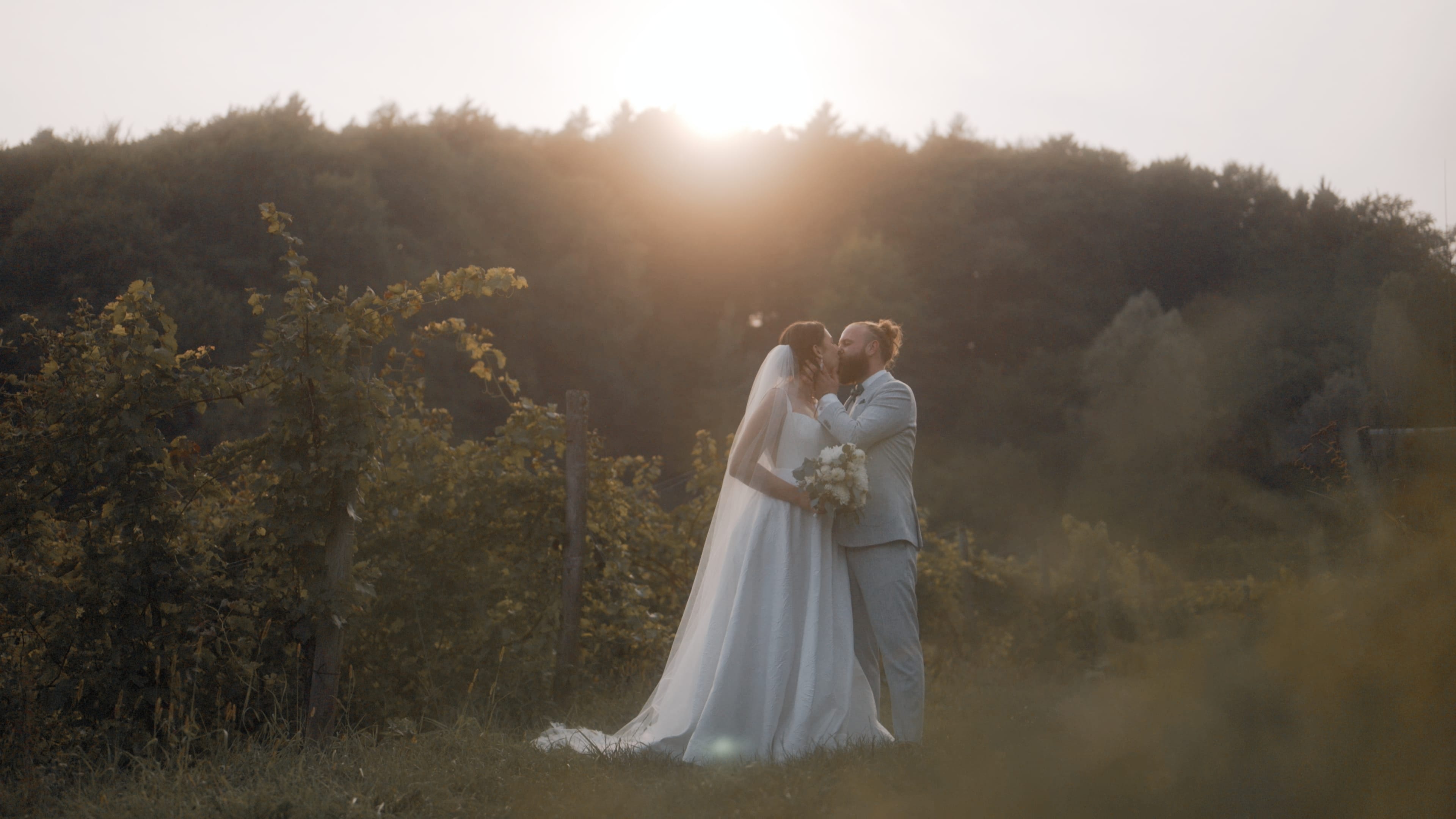
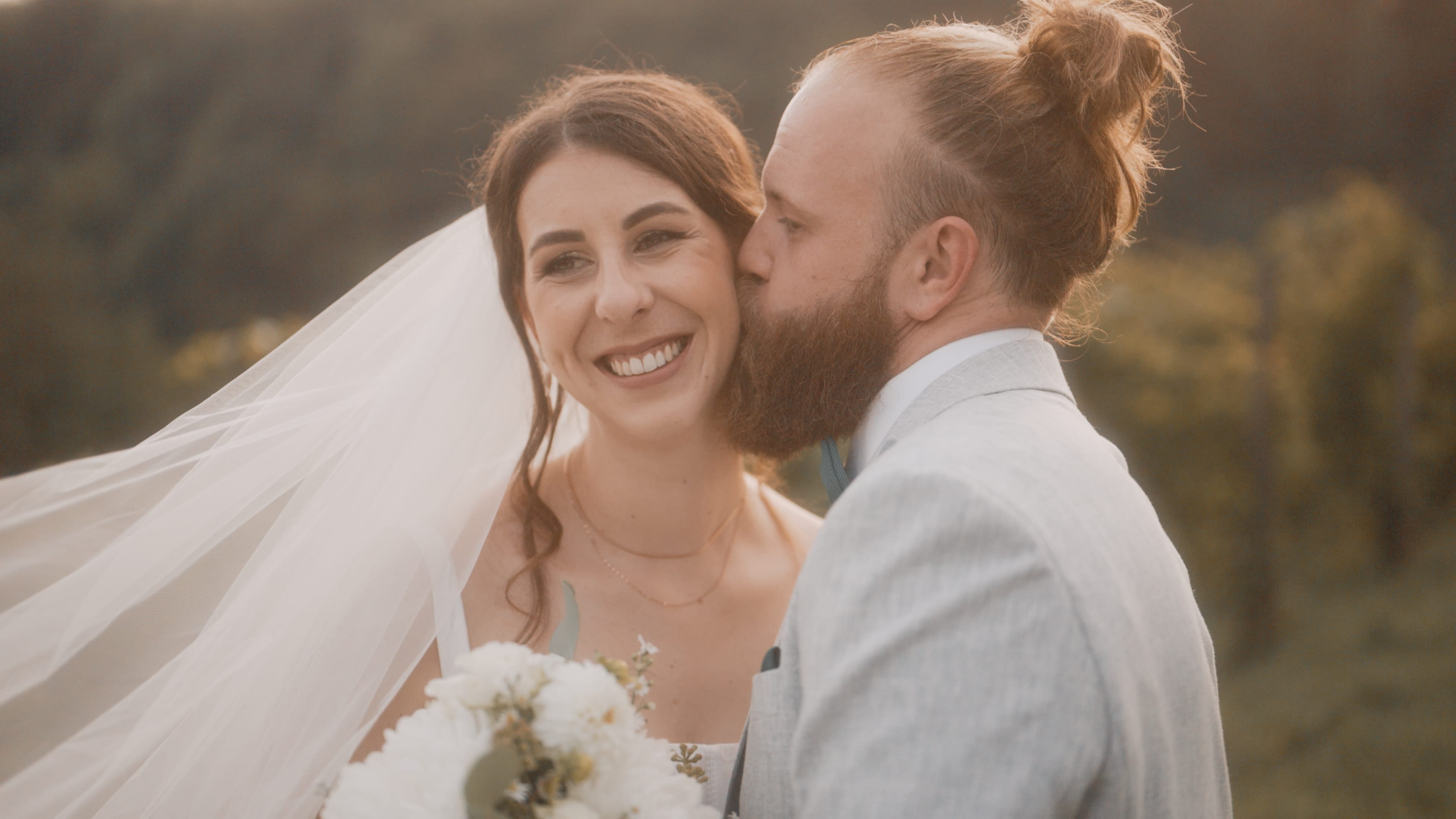
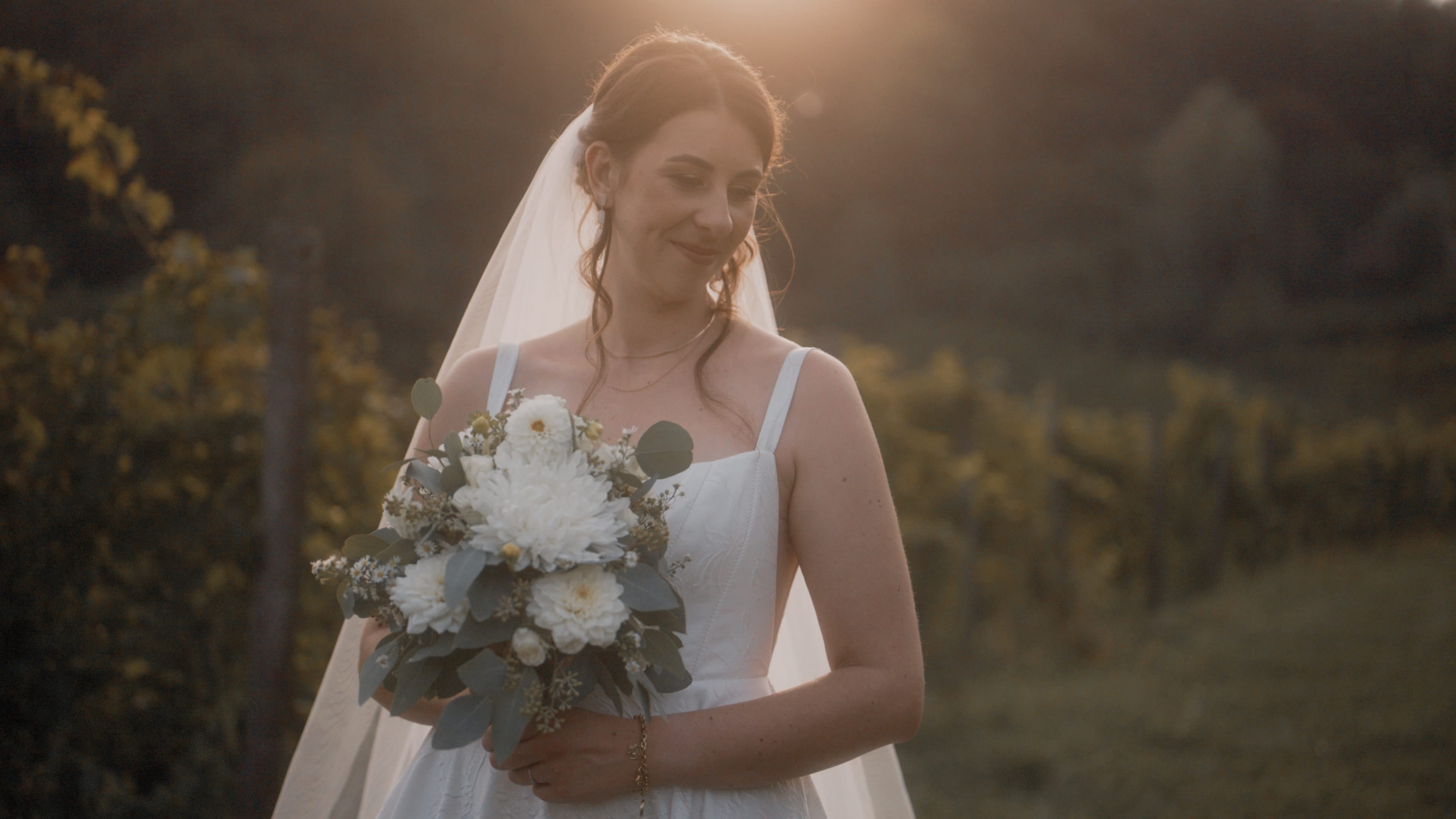
Couple portraits in the documentary style:
feel like a shared break
usually take less time
happen without stiff poses
are based on movement, closeness and interaction
Here, too: you don’t need any skills or knowledge – you can simply be yourselves.
Why documentary pictures feel more timeless
Staged trends change. Emotions don’t.
Documentary wedding photography focuses on:
glances
touches
reactions
relationships between people
It’s exactly these elements that keep pictures relevant even after many years.
Is documentary wedding photography right for every wedding?
Not necessarily – and that’s important to say.
It suits you particularly well if:
you value calm
your schedule isn’t too tightly packed
you consciously decide against staging
If you want lots of classic group and posed pictures, a different style – or a deliberate mix – may suit you better.
What does a wedding day with documentary coverage actually look like?
In theory, “observing instead of staging” sounds good – but what does it look like on a real wedding day? In practical terms:
Getting ready: I’m simply in the room, usually with little visible equipment. No “look over here again for a second” – I wait for the moment when the last adjustment to the dress happens or someone loses their composure for the first time.
Ceremony: This is where I intervene least. I position myself so that I’m not in anyone’s way, and move quietly during the ceremony to capture different angles without drawing attention to myself.
Congratulations & drinks reception: One of the richest phases for documentary pictures – this is where the most unpredictable things happen: hugs, tears, spontaneous laughter between guests who haven’t seen each other for a long time.
Party: Here, too, I stay in the background instead of calling groups together for souvenir photos. The best party pictures happen when nobody is thinking about the camera any more.
Does documentary mean there are no directions at all?
Almost – but not quite, and it’s important to me to say that honestly. There are moments when a small, unobtrusive nudge makes sense: if a group happens to be standing right in front of the most beautiful light of the day, I might ask them to take two steps to the side. If you want to be alone for a few minutes, I suggest a quiet spot. The difference from classic photography isn’t that I never say anything – but that I never invent a situation that wouldn’t have happened on its own.
What you get in the end
After your wedding you receive your edited pictures as an online gallery – depending on the photo package you’ve booked, the first pictures arrive within 48 to 72 hours, and all the others follow shortly afterwards. You’ll find details about the individual packages on the photo packages overview page.
My conclusion
Documentary wedding photography isn’t a technique – it’s an attitude.
It requires trust, openness and allowing real moments to happen.
If later on you don’t just want to remember, but to feel again what your wedding day felt like, then this approach is exactly right.
Does documentary photography require more experience from the photographer?
Yes, it does. With staged photography, the photographer determines the moment – they can repeat it if it isn’t right. With documentary photography there’s no second chance: the handshake between father and groom, the mother’s glance during the speech, the tear that falls in exactly that split second – it happens once. That requires being ready at all times, being technically confident without having to look at the display, and a feel for when something is about to happen in a situation before it becomes visible. That’s exactly why this style is less a question of equipment than of experience and attention.
Does documentary wedding photography suit you?
I’m happy to give you honest advice without pressure – tailored to your personalities, your wedding and your timeline.
👉 Send a no-obligation enquiry and find out whether this style suits you.
Do you have questions or would you like to plan your wedding day with me? I’m happy to give you honest advice without any pressure – tailored to your personalities and your day.
Send a no-obligation enquiry